I have always wondered what made phrases that relate to mental illness and suicide socially acceptable. I have always wondered why my peers and people I’ve watched on television thought it was okay to throw phrases that associate mental illness with a feeling such as “I feel so depressed today” or “You’re acting so OCD”. I have always wondered if people understood the extent of their words or if to them, they’re just words. A major contribution to this kind of ignorance is constantly displayed throughout many aspects of our society.
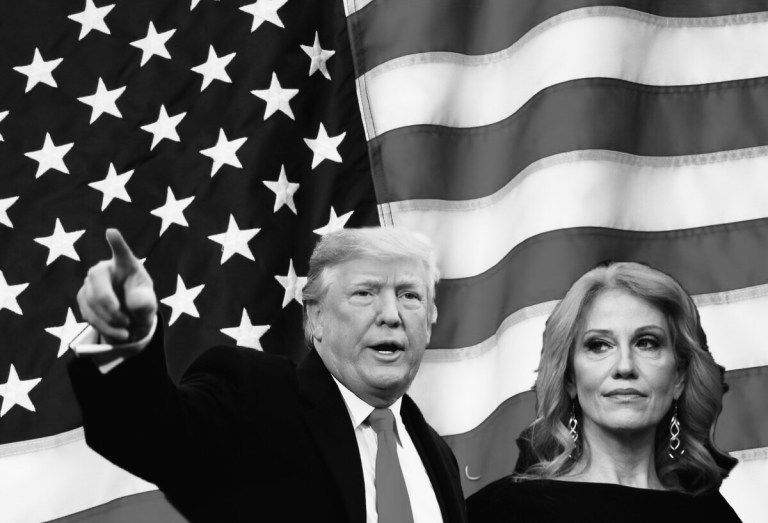
One of the most important aspects is politics; despite the fact that one should never talk politics with people you like, I am merely displaying an example that highlights one of the many reasons why mental health is constantly stigmatized and constantly put aside amongst worldly issues. I came across an article by The New York Magazine that featured Kellyanne Conway who is not only the counselor to the president, but arguably one of the most influential women in America. Although it was a rather substantial article, I couldn’t help but notice a phrase she used when the reporter asked if Conway would ever want Sean Spicer’s job (the previous white house press secretary director), she rolled her eyes and stated “Slit my wrists, bleed out, put cement shoes on, jump off the bridge, and then I’ll take the job — are you kidding me?” I was appalled. I felt sick to my stomach that such a prominent figure within our country would deem such graphic language as socially acceptable, especially through a medium that is not only immensely prestigious, but would reach hundreds of thousands of people.
I find it disappointing, but I also find it ironic. I find it ironic because one of the many budget cuts that President Trump hopes to enact, which consists of depriving the Department of Health and Human Services fifteen point one billion dollars. The Department of Health and Human Services provides education and supplies people with not only emotional support, but financial support for mental health issues. I find it ironic because he is attempting to eliminate services that clearly his own staff are in need of. Even if someone has never been personally affected by mental health or suicide, it does not give them an excuse to speak ignorantly.
If prominent figures continue to use such coarse language, they are telling everyone who is listening or reading that it is acceptable to use that language as well; especially since those particular figures are setting the example for the next generation. This is a toxic cycle that needs to end. Although it can be argued that people don’t always mean or realize what they say, it does not deter from the fact that words have power. If we don’t use that power properly, the effects will be detrimental. People who have lossed a loved one by suicide, people who have been suicidal themselves, and for the majority of Americans who suffer from a mental health issue, they will never feel accepted. The lack of acceptance of suicide and mental health illnesses are the number one reason as to why people refuse to seek help and the number one reason as to why they decide to end their life. Next time you decide to speak, I encourage you to take a second and think about who you are speaking to and how your words might affect them.
Sources
http://nymag.com/daily/intelligencer/2017/03/kellyanne-conway-trumps-first-
lady.htmlhttp://www.pbs.org/newshour/rundown/trumps-budget-cuts-drastically-science-
health-programs/https://www.mentalhealth.gov/

 Woodrick Writes
Words matter! No matter what we are saying they do matter. Thank you for pointing that out so eloquently.
In the future I will try to chose my words more carefully. What a powerful message.
LikeLike