October can be an overwhelming time for everyone, the kids are back in school, there is a crisper and colder temperature in the air, and the anticipation of Halloween marks the beginning of ongoing holidays for the next three months. As October progresses and Halloween creeps closer, inevitably, disturbing, intense, and sometimes triggering decorations, images, and media begins to surface. These experiences may cause a surge of different emotions and have the possibility to trigger individuals who have post-traumatic stress disorder, obsessive-compulsive disorder, anxiety, and even individuals who have lost a loved-one, or struggle with an eating disorder. That is not to say that feeling triggered, or upset, during this time is limited to those with these diagnoses, it can happen to anyone.
As someone who has lost someone to suicide, I can still be triggered and I am usually pretty upset when I see depictions of bodies being hung by a noose. This is a pretty common halloween decoration, or prop utilized in haunted houses. Through the years, I began to remove myself from situations that may have involved this depiction and began focusing on the more positive elements of Halloween. I stopped going to Haunted Houses, I do not watch movies that show someone hanging by a noose, or involves a graphic suicide scene. Now when I see decorations that may reference this, I think to myself, “They haven’t experienced what I have, and I’m glad they haven’t.” It can be reasonably inferred that people who put these kinds of decorations out, haven’t lost someone they know to suicide, and that they simply don’t understand and I guess to a certain extent, they don’t need to. Halloween was also the last holiday my family shared with my dad and although his death was a mere week after, I have held close the memories we all shared.
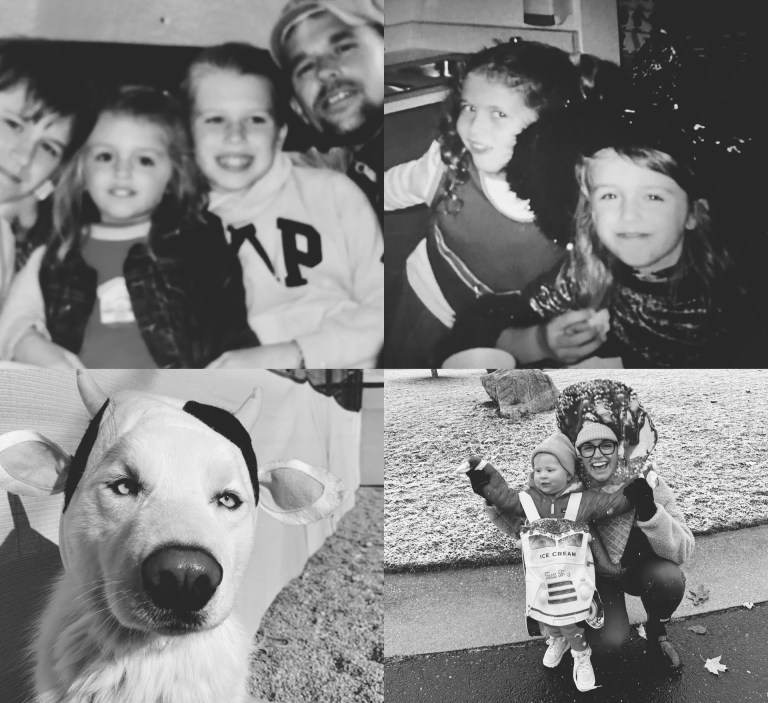
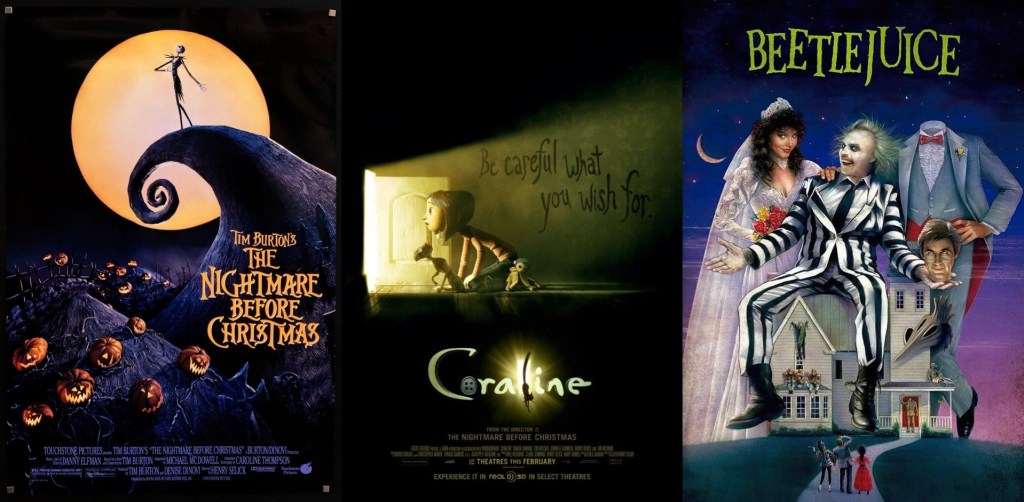
I have always loved Halloween because of all the positive energy my mom and dad created around it as my siblings and I grew up. My mom always went all out with the decorations, and I have fond memories of our neighbors and friends coming over to celebrate before embarking on trick-or-treating for the night. I love seeing everyone’s costumes and dressing up myself, something I may have inherited from my dad. He was the kind of person who dressed up for birthdays such as Scooby-Doo one year, the Easter bunny another year in a local parade, and for Halloween, he dressed in a black cloak and emerged from the woods behind our house with a lantern, resembling some kind of grim reaper. I’ll never forget how terrified I was of this and how I ran downstairs to seek comfort from my brother who said, “Maddie, it’s just dad.” These small, but impactful acts have allowed me to carry on the tradition of finding joy where I can by decorating the house, carving pumpkins, being with friends and family, and watching movies such as The Nightmare Before Christmas, Coraline, or Beetlejuice (my personal favorites).
Therapy, limiting my exposure to potential triggers, and focusing on the positive has worked for me, but I know it doesn’t work for everyone. Another prominent trigger during Halloween is costumes, and how people dress up during this time. Many individuals believe Halloween is a hall pass to wear anything they want, however, this can be extremely damaging to others and perpetuate harmful stereotypes. In an age where individuals are being slammed for being “too sensitive,” choosing an appropriate and respectful costume may be hard to navigate. However, being mindful, and walking through life with intention is one of the bravest things individuals can do not only for themselves, but for others. Avoid costumes that are overly sexualized, or culturally insensitive, and choose a costume that reflects your personal values, interests, or emphasizes light-hearted humor. This is one small, but impactful way that individuals can work to keep everyone safe during Halloween.
Another staple of Halloween is the excess of candy and treats given out during trick-or-treating, brought to work, or school events, and left out at parties. For individuals with eating disorders, this could be a particularly stressful and triggering time. It’s important to be mindful if you are someone passing out treats and politely accept if someone declines your offer. Please try not to insist and go on about “how good” something is and how that person “needs to try this.” There has been a tremendous increase in awareness about how people communicate with each other about mental health, but when it comes to food and eating disorders, there seems to be a dialogue that is often left out. Communicate with your friends and families about potential anxieties, or fears, that may arise leading up to, or during Halloween. Your support system wants to help you, can provide understanding, and help create a safety plan. By being aware of what might trigger you and having a plan, Halloween can be navigated in a safe, constructive, and even enjoyable way.

 Woodrick Writes